Blog
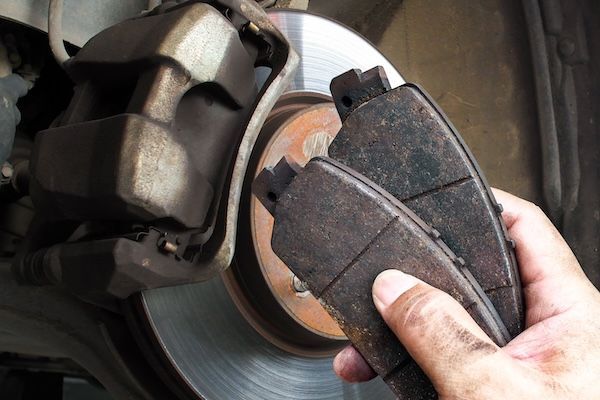
Brake Health 101: Recognizing Warning Signs Before It's Too Late:
Your brakes are one of the most critical safety systems in your vehicle, and keeping them in good condition is essential for both safe driving and avoiding expensive repairs. A properly maintained braking system allows you to stop quickly and reliably, especially in sudden or emergency situations. Routine maintenance such as replacing worn brake pads, inspecting rotors, and checking brake fluid levels helps ensure the system continues to perform as designed.
Brake components naturally wear down over time due to friction and heat generated during everyday driving. Because of this, paying attention to early warning signs can prevent small issues from turning into major repairs.
One of the most common signs is squeaking or squealing noises when braking. This often indicates that brake pads are wearing thin and may soon need replacement. If ignored, worn pads can lead to metal-on-metal contact, which can damage the rotors.
Vibration or pulsation in the brake pedal or steering wheel is another warning sign. This may point to warped rotors, which can cause uneven braking and reduce overall stopping performance.
If your vehicle pulls to one side while braking, it could indicate uneven brake pad wear, sticking calipers, or a brake fluid imbalance. This not only affects comfort but can also reduce control during braking.
A soft or spongy brake pedal is often a sign of air in the brake lines or low brake fluid. Both conditions reduce hydraulic pressure and can significantly impact braking effectiveness.
Grinding noises are typically a sign of severe wear. At this stage, brake pads are usually completely worn down, and continued driving can cause serious damage to the rotors and increase repair costs.
Recognizing and addressing these symptoms early is key to maintaining safe braking performance. Regular brake inspections help ensure all components are functioning properly, giving you confidence and control every time you drive.
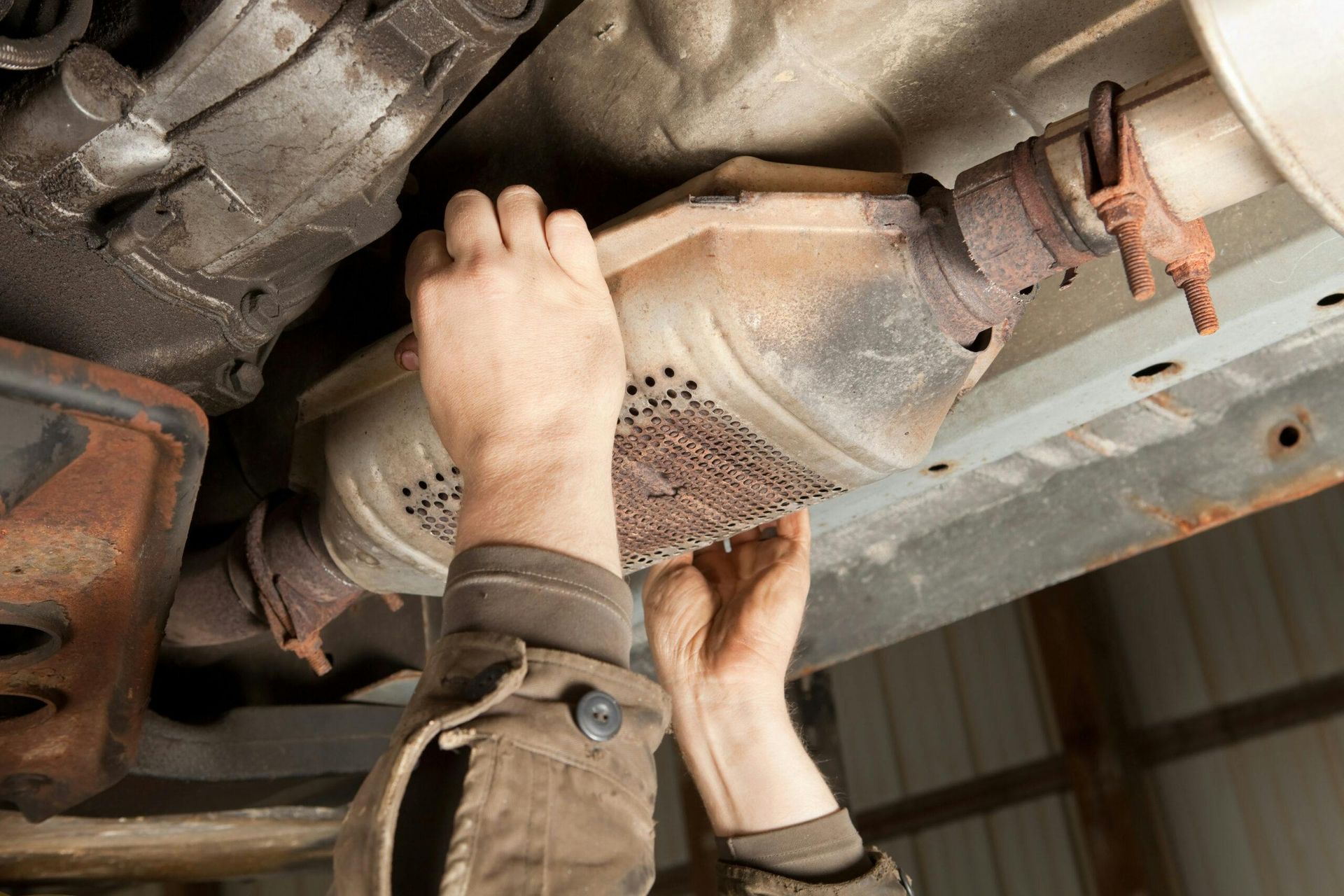
What Is a Catalytic Converter and Why It’s Essential for Your Vehicle:
If you’ve ever looked under your vehicle and noticed a metal canister in the exhaust system, you’ve likely found one of the most important environmental components in your car: the catalytic converter.
A catalytic converter is designed to reduce harmful emissions before they leave your tailpipe. When fuel burns inside your engine, it produces gases such as carbon monoxide, nitrogen oxides, and hydrocarbons. These emissions are harmful to both the environment and human health. The catalytic converter helps transform these pollutants into less harmful substances like carbon dioxide, nitrogen, and water vapor before they are released into the atmosphere.
Inside the converter is a honeycomb-like structure coated with precious metals such as platinum, palladium, and rhodium. These metals act as catalysts, meaning they speed up chemical reactions without being used up themselves. As exhaust gases pass through this structure, chemical reactions break down toxic compounds and convert them into safer emissions.
Modern vehicles rely heavily on catalytic converters to meet strict emissions regulations that have been in place since the 1970s. Without this system, cars would release significantly higher levels of pollution, contributing to smog and environmental damage.
When a catalytic converter begins to fail, it can cause noticeable performance issues. Common symptoms include reduced engine power, poor fuel efficiency, a sulfur or “rotten egg” smell from the exhaust, and the appearance of a check engine light. If it becomes clogged or damaged, it can also restrict exhaust flow, which negatively affects overall engine performance.
Maintaining a healthy catalytic converter is important not only for your vehicle’s performance but also for environmental responsibility. Addressing issues early can help avoid costly repairs, maintain fuel efficiency, and ensure your vehicle continues to meet emissions standards.
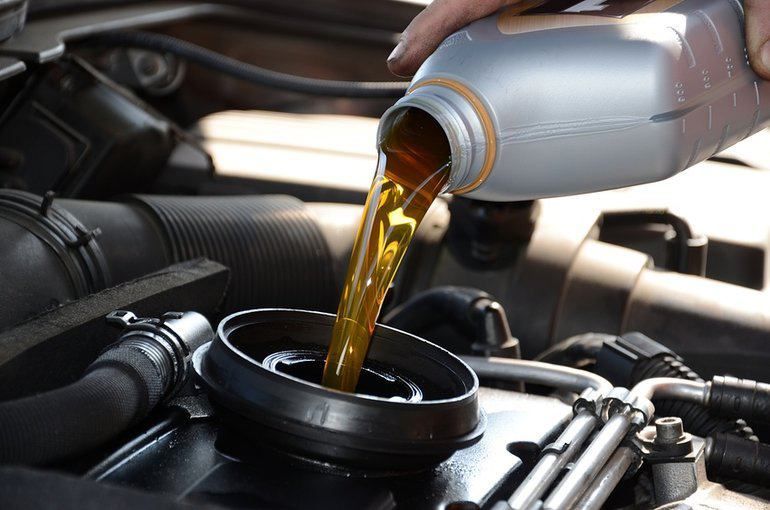
Why Regular Oil Changes Are a Small Step with Big Rewards:
Getting a regular oil change might seem like a small, routine chore, but it is one of the most important maintenance tasks for protecting both your vehicle and your budget. Engine oil plays a critical role in keeping your engine healthy. It lubricates moving parts, reduces friction, helps regulate operating temperature, and prevents harmful deposits from building up inside the engine.
Over time, however, engine oil naturally breaks down. Heat from the engine causes it to degrade, and it gradually becomes contaminated with dirt, debris, and tiny metal particles produced by normal engine wear. Once this happens, the oil loses its ability to properly protect and lubricate internal components, which can lead to increased wear and reduced efficiency.
When oil becomes old or dirty, the engine has to work harder to perform the same tasks. This added strain can result in reduced fuel economy, sluggish performance, and long-term damage to critical components. In severe cases, neglecting oil changes can contribute to overheating or even engine failure, which often leads to expensive repairs.
Regular oil changes help prevent these issues by removing degraded oil and replacing it with fresh, clean lubricant. At the same time, changing the oil filter ensures that trapped contaminants are not recirculated through the engine. This keeps internal components cleaner, reduces friction, and helps the engine operate as efficiently as possible.
Beyond performance and protection, routine oil maintenance also extends the overall lifespan of your vehicle. A well-lubricated engine experiences less wear over time, which means fewer breakdowns and more consistent reliability.
In the end, regular oil changes are a simple, low-cost investment that delivers long-term benefits improved performance, better fuel efficiency, and greater peace of mind every time you drive.

Coolant Maintenance 101: Why It’s Important and When to Flush:
Regular coolant (antifreeze) maintenance is essential for protecting your engine and ensuring your vehicle maintains a stable operating temperature throughout the year. While many drivers associate antifreeze primarily with winter protection, its role is equally important in summer, where it helps prevent overheating under heavy engine load.
Coolant flows continuously through the engine and radiator, absorbing excess heat generated during combustion. It then transfers that heat to the radiator, where it is released into the air. This constant circulation keeps engine temperatures within a safe range and prevents damage caused by excessive heat buildup. In addition to temperature control, coolant contains specialized additives that protect the system from rust, corrosion, and scale deposits that can form over time.
As coolant ages, its protective properties begin to break down. The corrosion inhibitors lose effectiveness, and contaminants such as rust particles and debris can accumulate throughout the cooling system. When this happens, coolant becomes less efficient at transferring heat and may even contribute to internal corrosion of critical components like the radiator, water pump, thermostat housing, and heater core.
A coolant flush is the process of removing degraded fluid and built-up contaminants from the system before refilling it with fresh antifreeze. This service helps restore proper heat transfer, improves system efficiency, and protects internal components from long-term damage.
Manufacturers typically recommend replacing coolant every 30,000 to 50,000 miles or every 2 to 5 years, depending on the vehicle and type of coolant used. However, driving conditions and climate can affect how quickly the fluid degrades.
Staying on top of coolant maintenance is a simple but important step in preventing engine overheating, avoiding costly repairs, and ensuring reliable performance in both hot and cold weather conditions.
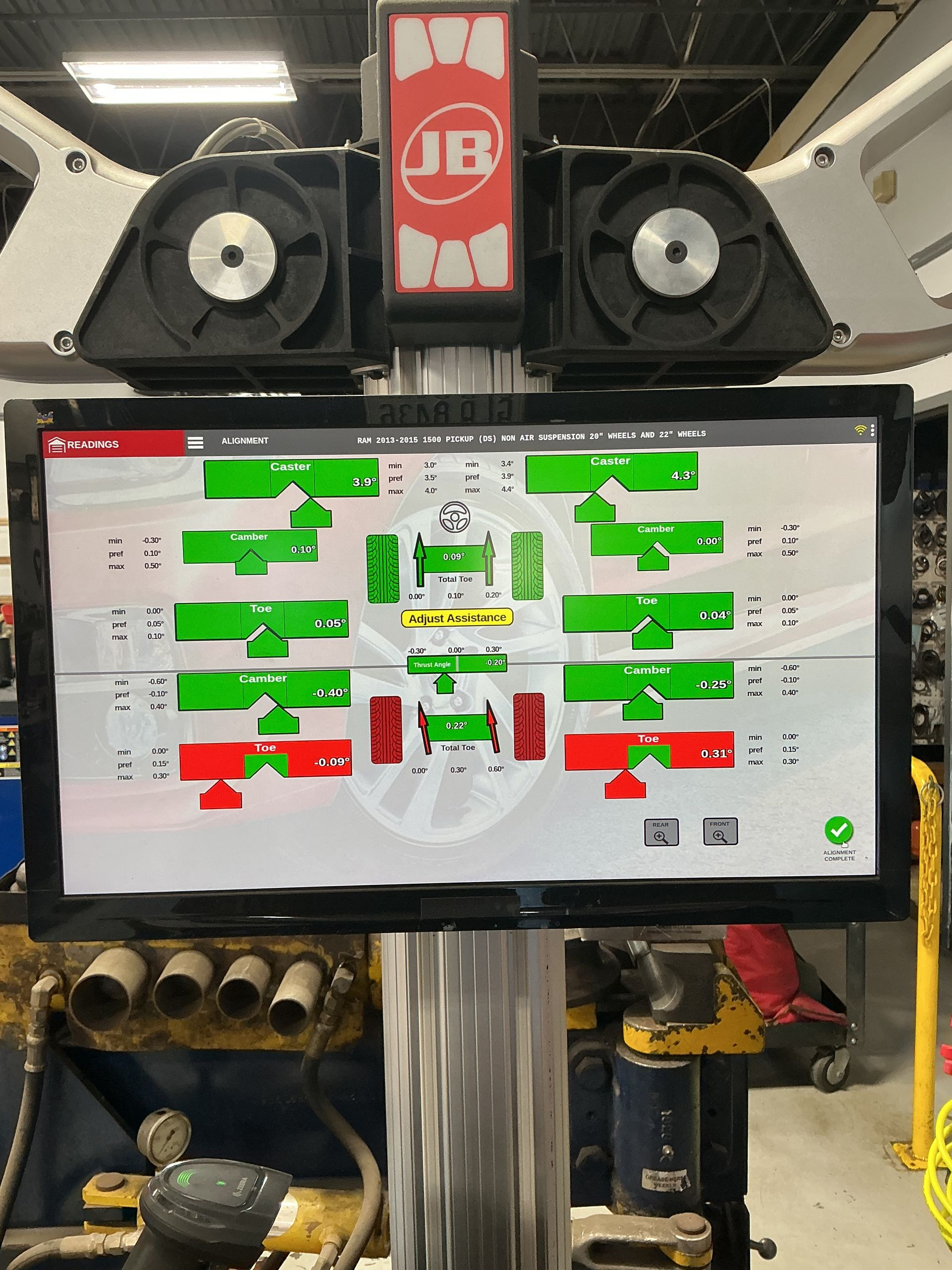
How Wheel Alignment Protects Your Tires and Improves Safety:
Wheel alignment is a key part of vehicle maintenance that is often overlooked, yet it plays a major role in how your car drives, handles, and wears over time. Alignment involves adjusting the angles of your wheels, so they meet the manufacturer’s specifications and remain properly positioned relative to the road and each other.
Over time, normal driving conditions can gradually push your wheels out of alignment. Hitting potholes, driving on rough or uneven roads, or even brushing against curbs can cause small shifts in these angles. While the changes may seem minor, they can quickly lead to noticeable issues if left uncorrected.
One of the most common consequences of poor alignment is uneven tire wear. When wheels are misaligned, certain areas of the tire carry more load and make greater contact with the road. This leads to irregular tread wear patterns, reducing the lifespan of your tires and increasing the likelihood of premature replacement.
Alignment also has a direct impact on safety and driving comfort. A vehicle that pulls to one side, has an off-center steering wheel, or feels unstable during turns may be experiencing alignment issues. Proper alignment helps your vehicle track straight, improves steering response, and provides a smoother, more controlled driving experience.
In addition, misalignment can reduce fuel efficiency by increasing rolling resistance, forcing your engine to work harder. It can also place added stress on suspension and steering components, leading to unnecessary wear over time.
Routine alignment checks, especially after impacts or when installing new tires, help maintain even tire wear, improve handling, and ensure your vehicle continues to perform safely and efficiently.

See the Road Clearly: Why Regular Wiper Maintenance Is Essential:
Windshield wipers are one of the most overlooked yet essential safety features on any vehicle. While they may seem minor, their role in maintaining clear visibility during rain, snow, and road spray is critical. When conditions change quickly, properly functioning wipers can make the difference between a clear view of the road and a dangerous loss of visibility.
Wiper blades are made of rubber, which naturally degrades over time. Constant exposure to sunlight, heat, cold, dirt, and debris causes the material to dry out, crack, or lose flexibility. As this happens, the blades may begin to streak, skip, or squeak across the windshield instead of providing a smooth, clean wipe. Even small imperfections can leave behind water or residue that distorts your view.
Reduced visibility, even momentarily, can significantly increase the risk of accidents especially during: heavy rain, snowstorms, or when facing glare from oncoming headlights. Worn wipers also struggle to clear road spray from other vehicles, which can quickly cover the windshield and limit reaction time in high-speed situations.
Regular inspection and replacement of your wiper blades is a simple but important step in preventing these issues. Most experts recommend replacing them every 6 to 12 months, though frequency may vary depending on climate and usage. If you notice streaking, skipping, or unusual noise, it’s a clear sign they need attention.
In addition to replacement, basic maintenance can extend the life of your wipers. Cleaning the blades and windshield regularly helps remove dirt and buildup that can accelerate wear. Ensuring your washer fluid is full and functioning properly also supports better performance.
Keeping your windshield wipers in good condition is a small, low-cost investment that plays a major role in driver safety, helping ensure clear visibility and confidence in all weather conditions.

TPMS Sensors Explained: The Small Device That Keeps You Safe:
Tire Pressure Monitoring System (TPMS) sensors are small but essential components designed to keep your vehicle operating safely and efficiently. Installed inside each tire, typically attached to the valve stem or mounted on the wheel, these sensors continuously track air pressure and send real-time data to your vehicle’s onboard computer.
The primary role of TPMS sensors is to alert you when tire pressure falls outside the recommended range. When pressure becomes too low, or in some cases too high, a warning light appears on your dashboard. This early notification gives drivers the chance to correct the issue before it leads to more serious problems.
Proper tire pressure is critical for several reasons, starting with safety. Underinflated tires can reduce traction, increase stopping distance, and make handling less predictable, especially in wet or slippery conditions. They also generate more heat, which raises the risk of tire failure or blowouts during extended driving.
Beyond safety, tire pressure has a direct impact on efficiency. Tires that are not properly inflated create additional rolling resistance, forcing the engine to work harder and consume more fuel. Maintaining correct pressure helps improve gas mileage and supports overall vehicle performance.
Tire longevity is another key factor. Incorrect pressure, whether too high or too low, can cause uneven tread wear, shortening the lifespan of your tires and leading to premature replacement. By keeping pressure within the proper range, TPMS sensors help protect your investment and reduce long-term costs.
It’s important to remember that TPMS sensors do not replace routine maintenance. Drivers should still manually check tire pressure regularly, as sensors may not detect gradual changes immediately or account for temperature fluctuations. If a TPMS warning light appears, it should never be ignored, as it indicates a condition that requires attention.
In short, TPMS sensors act as a built-in safety and maintenance system, helping drivers stay informed, improve efficiency, and reduce the risk of unexpected tire issues on the road.

The Importance of Tire Rotation for Safety and Savings:
Tire rotation is a simple yet essential part of vehicle maintenance that is often overlooked. It involves moving each tire to a different position on your vehicle to ensure even wear across all four. Because front and rear tires handle different responsibilities such as, steering, braking, and weight distribution, they naturally wear at different rates.
Front tires, for example, tend to wear faster due to the added stress of turning and supporting the engine’s weight. In front-wheel-drive vehicles, they also handle acceleration, which increases wear even more. Rear tires, while less stressed in some cases, can still develop uneven patterns depending on driving habits and road conditions. Without regular rotation, these differences become more pronounced over time.
Uneven tire wear not only shortens the lifespan of your tires but can also lead to performance issues. You may notice vibrations, road noise, or a decrease in ride comfort. More importantly, unevenly worn tires can reduce traction, making it harder to maintain control especially in rain, snow, or emergency braking situations.
Regular tire rotation helps distribute wear evenly, allowing all four tires to last longer and perform more consistently. It also gives technicians an opportunity to inspect for damage, improper inflation, or alignment issues that could lead to bigger problems if left unaddressed.
There are also efficiency benefits. Tires that wear unevenly can increase rolling resistance, forcing your engine to work harder and reducing fuel economy. Keeping tires evenly worn helps your vehicle operate more smoothly and efficiently.
Most manufacturers recommend rotating your tires every 5,000 to 7,500 miles, often aligning with routine oil changes. This quick, preventative service can extend tire life, improve safety, and save money over time, making it a smart habit for any driver.

Stop Safely: The Importance of Brake Fluid Exchange:
Brake fluid exchange is a critical, yet often overlooked, part of routine vehicle maintenance. Brake fluid plays a key role in your car’s braking system by transferring force from the brake pedal to the calipers and other components, allowing you to slow down or stop safely. Because this system relies on precise hydraulic pressure, the condition of the fluid directly impacts braking performance.
Unlike many other automotive fluids, brake fluid is hygroscopic, meaning it naturally absorbs moisture from the air over time. Even in a sealed system, small amounts of moisture can enter through microscopic pores in rubber hoses and seals. As water content builds, the fluid’s boiling point begins to drop, reducing its ability to perform under high temperatures.
During heavy braking such as: in stop-and-go traffic, towing, or driving on steep terrain—brake fluid can heat up significantly. If the boiling point has been compromised, the fluid may begin to vaporize, creating air bubbles in the system. Because vapor is compressible, this can lead to a soft or spongy brake pedal and reduced stopping power, a condition known as brake fade.
Moisture contamination also contributes to internal corrosion. Over time, it can damage critical components such as brake lines, calipers, wheel cylinders, and the master cylinder. This type of wear not only leads to costly repairs but can also compromise the overall reliability of the braking system.
A brake fluid exchange removes old, contaminated fluid and replaces it with fresh fluid that restores proper hydraulic function and heat resistance. This service helps maintain consistent braking performance, protects internal components, and ensures a firm, responsive pedal feel.
Most manufacturers recommend a brake fluid exchange every two to three years, though factors like climate and driving habits may require more frequent service. Staying on top of this maintenance is a simple yet effective way to improve safety, extend the life of your braking system, and keep your vehicle performing as intended.

Beat the Heat: Protecting Your Vehicle from Summer Breakdowns:
Summer heat does more than make your drive uncomfortable—it puts your entire vehicle under stress. As temperatures rise, key systems are forced to work harder, and small weaknesses can quickly turn into major problems if they’re ignored.
Your battery is one of the first components to suffer. High heat speeds up internal chemical reactions, which leads to fluid evaporation and a shorter lifespan. While many people associate battery failure with winter, summer heat is often the real cause of long-term damage.
Tires are another common failure point. Hot pavement increases tire pressure, and if your tires are already underinflated or worn, the risk of a blowout rises significantly. Long trips at highway speeds only add to the strain.
Under the hood, your engine depends heavily on its cooling system to prevent overheating. Low coolant levels, leaks, or a failing radiator can quickly cause temperatures to spike. At the same time, extreme heat can thin engine oil, reducing its ability to properly lubricate moving parts and increasing wear.
Your transmission also feels the impact. Heat breaks down transmission fluid over time, especially in stop-and-go traffic, which can lead to slipping, rough shifting, or long-term damage.
Even your air conditioning system is under constant demand, and failing components or low refrigerant can leave you without relief when you need it most. Meanwhile, belts and hoses are more likely to dry out, crack, or weaken in high temperatures.
The good news is that most of these issues can be prevented. Regularly checking fluid levels, maintaining proper tire pressure, and inspecting key components can go a long way in keeping your vehicle reliable throughout the summer months.

Inside Your Car’s Braking System: The Role of Brake Lines
Brake lines play a critical role in the safety and performance of every automobile. Although they are often overlooked, these components are responsible for delivering the hydraulic pressure needed to stop a vehicle safely. Without properly functioning brake lines, even the most advanced braking systems would fail to operate effectively.
The primary job of brake lines is to transport brake fluid from the master cylinder to the brakes located at each wheel. When a driver presses the brake pedal, the master cylinder creates hydraulic pressure. That pressure travels through the brake lines and activates the brake calipers or wheel cylinders, forcing the brake pads or shoes against the rotors or drums. This process creates friction, which slows the vehicle down and eventually brings it to a stop.
Brake lines are designed to withstand extreme pressure, heat, and constant vibration. Most vehicles use durable steel tubing combined with flexible rubber or braided hoses near the wheels to allow movement while steering and driving. Because brake systems rely entirely on hydraulic pressure, the brake lines must remain sealed and leak-free at all times.
Damaged brake lines can create serious safety risks. Rust, corrosion, cracks, or fluid leaks can weaken braking performance and lead to brake failure. Drivers may notice warning signs such as a soft brake pedal, leaking brake fluid, unusual stopping distances, or dashboard brake warnings. Ignoring these symptoms can put both the driver and others on the road in danger.
Modern vehicles also depend on brake lines for advanced safety systems like ABS (Anti-lock Braking Systems). These systems use precise hydraulic control to prevent wheel lockup during sudden braking, helping drivers maintain steering control in emergencies.
Routine inspections and maintenance are essential for keeping brake lines in good condition. Checking for rust, wear, and leaks can prevent costly repairs and improve overall vehicle safety. In the end, brake lines may be hidden beneath a vehicle, but they remain one of the most important parts of the entire braking system.

Shocks vs. Struts: What’s the Difference?
Your vehicle’s suspension system is responsible for more than just a comfortable ride it also helps maintain control, stability, and safety while driving. Two of the most important suspension components are shocks and struts. While they perform similar functions, they are built differently and play slightly different roles in how your vehicle handles the road.
Shock absorbers, commonly called “shocks,” are designed to control the movement of your suspension and springs. As your vehicle travels over bumps, potholes, or uneven pavement, the springs naturally compress and rebound. Shocks help absorb that movement, preventing excessive bouncing and keeping your tires firmly connected to the road. This improves steering response, braking performance, and overall ride comfort.
Struts perform the same damping function as shocks, but they are also a structural part of the suspension system. In addition to absorbing impacts, struts help support the weight of the vehicle and maintain proper wheel alignment. Because they play a larger role in suspension geometry, worn struts can cause more noticeable handling problems, uneven tire wear, and reduced steering control.
Over time, shocks and struts wear down gradually, often making the decline in performance hard to notice at first. Common warning signs include excessive bouncing, nose-diving while braking, uneven tire wear, fluid leaks, poor cornering stability, or a rough and unstable ride. Ignoring these symptoms can reduce driving safety and place added stress on tires, steering components, and other suspension parts.
Most manufacturers recommend having shocks and struts inspected around every 50,000 miles, although rough roads and heavy driving conditions can cause them to wear sooner. Replacing worn suspension components helps restore ride comfort, improve vehicle handling, extend tire life, and keep your vehicle safer on the road.

The Complete Guide to Maintaining Your Car’s AC System:
A car’s air conditioning system does much more than keep the cabin cool during hot weather. It also helps improve air quality, reduce humidity inside the vehicle, and create a more comfortable driving experience. Because the AC system is used so often, regular maintenance is important to keep it operating efficiently and to prevent expensive repairs over time.
One of the simplest ways to maintain a vehicle’s air conditioning system is by running it regularly throughout the year, even during colder months. Operating the system helps keep the compressor properly lubricated and prevents seals from drying out or cracking. When the system sits unused for long periods, components can wear down faster and leaks may develop.
Replacing the cabin air filter is another important maintenance task. The cabin air filter traps dust, pollen, dirt, and other airborne particles before they enter the vehicle’s interior. Over time, the filter becomes clogged, which restricts airflow and forces the AC system to work harder. A dirty filter can also cause unpleasant odors and reduce cooling performance. Most manufacturers recommend replacing the filter every 12,000 to 15,000 miles, although drivers in dusty environments may need to replace it sooner.
Drivers should also monitor how well the system cools the vehicle. If the air conditioning begins blowing warm air, takes longer to cool the cabin, or produces weak airflow, it could indicate low refrigerant levels, a failing compressor, or a leak in the system. Refrigerant is essential because it absorbs heat from inside the cabin and releases it outside the vehicle. Low refrigerant not only reduces cooling performance but can also place additional strain on the compressor, one of the most expensive AC components to replace.
Keeping the condenser clean is equally important. The condenser is typically located near the front grille and is exposed to dirt, bugs, and road debris. When airflow becomes blocked, the system cannot release heat efficiently, causing the air conditioner to work harder and reducing its ability to cool the vehicle effectively.
Routine professional inspections can help identify problems early before they lead to major repairs. Technicians can check refrigerant pressure, inspect hoses and seals for leaks, test compressor performance, and ensure all components are functioning correctly. Preventive maintenance not only extends the lifespan of the AC system but can also improve fuel efficiency since an overworked system places additional strain on the engine.
By properly maintaining a car’s air conditioning system, drivers can enjoy consistent cooling performance, cleaner cabin air, and fewer unexpected repair costs. Regular care helps ensure the system remains reliable and efficient for years to come.

Everything You Need to Know About Tire Care:
Tire maintenance is one of the most important responsibilities of vehicle ownership because tires directly affect safety, fuel efficiency, braking, and overall driving performance. Since tires are the only part of a vehicle that makes contact with the road, keeping them in good condition can help prevent accidents and costly repairs. Proper tire maintenance begins with regularly checking tire pressure. Tires that are underinflated can cause poor fuel economy, overheating, uneven tread wear, and an increased risk of tire failure or blowouts. Overinflated tires can reduce traction, make the ride rougher, and wear out the center of the tread more quickly. Drivers should check tire pressure at least once a month and before long trips using a reliable tire pressure gauge. The correct pressure level can usually be found inside the driver’s side door or in the vehicle owner’s manual.
Another important part of tire care is tire rotation. Rotating tires every 5,000 to 7,000 miles helps distribute wear evenly among all four tires because front and rear tires wear differently depending on the vehicle. Failing to rotate tires can lead to uneven wear patterns that reduce handling and shorten tire life. Wheel alignment and balancing are also important because misaligned wheels can cause the vehicle to pull to one side and wear tires unevenly.
Checking tread depth is another critical step in tire maintenance. Tire tread provides traction on wet, icy, or uneven roads, helping the driver maintain control of the vehicle. A simple way to measure tread depth is the penny test. By inserting a penny into the tread with Lincoln’s head facing downward, drivers can see if the tread is too worn. If the top of Lincoln’s head is visible, the tires likely need replacement. Many modern tires also include built-in tread wear indicators that show when tread has become too shallow.
There are several signs that indicate it may be time for new tires. Cracks in the sidewall, bulges, vibrations while driving, loss of traction, and constant air pressure loss are common warning signs of tire damage or aging. Even if tires still appear to have tread remaining, most manufacturers recommend replacing them every six years because the rubber naturally deteriorates over time. Replacing worn tires improves safety, braking ability, and overall driving performance, especially in poor weather conditions. Proper tire maintenance not only extends the life of the tires but also helps protect drivers, passengers, and others on the road.

License Plate Lights: A Small Feature with a Big Purpose:
When drivers think about vehicle lighting, headlights, brake lights, and turn signals usually get the most attention. However, license plate lights are just as important when it comes to safety, visibility, and legal compliance. These small lights illuminate your rear license plate after dark, ensuring that it can be clearly read by law enforcement, other motorists, and traffic cameras.
One of the primary reasons to keep your license plate lights functioning properly is to comply with state traffic laws. Most jurisdictions require rear license plates to be visible from a certain distance at night. If your license plate light burns out, your vehicle may no longer meet those requirements, increasing the likelihood of being stopped by law enforcement. Even if you are otherwise driving safely, a non-functioning plate light can lead to a warning, citation, or fix-it ticket.
License plate lights also play a role in public safety. In the event of a traffic incident, hit-and-run, or emergency situation, a visible license plate helps authorities and witnesses accurately identify vehicles. Proper illumination ensures that your vehicle can be identified when necessary, especially in low-light conditions where visibility is already reduced.
In addition, functioning license plate lights demonstrate that a vehicle is being properly maintained. A burned-out bulb may seem minor, but it can signal neglected maintenance and may prompt officers to take a closer look during a traffic stop. Staying on top of small repairs helps keep your vehicle roadworthy and can prevent avoidable inconveniences.
The good news is that license plate light bulbs are typically inexpensive and easy to replace. During routine maintenance, take a few moments to check all exterior lights, including your license plate lights. This simple habit can help you avoid fines, improve nighttime visibility, and ensure your vehicle remains compliant with the law.
Small components often have a bigger impact than many drivers realize. Keeping your license plate lights in good working order is a quick, affordable way to promote safety, maintain compliance, and drive with confidence.

Why Checking Your Car’s Oil Between Oil Changes Is So Important:
Most drivers know they need regular oil changes, but many assume that once fresh oil is added, they don't need to think about it again until the next service appointment. In reality, checking your oil level between oil changes is one of the easiest and most important maintenance habits you can develop.
Motor oil is the lifeblood of your engine. It lubricates moving parts, reduces friction, helps regulate temperature, protects against corrosion, and carries away contaminants. Without enough oil, these critical functions are compromised, increasing the risk of premature engine wear and expensive repairs.
Even if your vehicle is relatively new, oil levels can change between services. Some engines naturally consume small amounts of oil during normal operation. In other cases, worn seals, aging gaskets, or minor leaks can cause oil levels to drop over time. Because these issues often develop gradually, many drivers don't notice a problem until a warning light appears, or worse, engine damage has already occurred.
Low oil levels can have serious consequences. When there isn't enough oil circulating through the engine, metal components can begin rubbing together with increased friction. This creates excess heat, accelerates wear, and can eventually lead to major mechanical failures. Repairing or replacing a damaged engine can cost thousands of dollars, making a quick oil check a worthwhile investment of time.
Regular oil inspections can also help identify potential issues before they become major problems. If you notice your oil level dropping consistently, it may indicate a leak or excessive oil consumption. If the oil appears unusually dark, gritty, or contaminated, it may be a sign that your vehicle needs attention sooner than expected.
Checking your oil is simple. Park on a level surface, turn off the engine, and allow it to cool for a few minutes. Remove the dipstick, wipe it clean, reinsert it fully, and pull it out again to check the level. The oil should fall within the marked safe range. If it is low, add the manufacturer-recommended oil and recheck the level.
Many automotive experts recommend checking oil at least once a month and before any long road trip. This small maintenance task takes only a few minutes but can help improve engine performance, maximize fuel efficiency, extend the life of your vehicle, and reduce the likelihood of unexpected breakdowns.
Routine oil changes remain essential, but they are only part of the equation. By taking a few moments to monitor your oil level between services, you can catch problems early, protect your engine, and ensure your vehicle continues running smoothly for years to come.

How Mechanics Turn a Problem Into a Solution:
Most vehicle owners have experienced it at some point: a strange noise, a warning light on the dashboard, or a vibration that doesn't feel right. While these symptoms can be frustrating, professional repair shops rely on a simple process to identify and fix them correctly: the 3 C's of mechanics. Standing for Concern, Cause, and Correction, this method helps technicians accurately diagnose problems, perform effective repairs, and provide clear documentation for customers.
The first step is the Concern. This is the issue the customer notices and reports to the repair shop. Whether it's a squealing brake, a Check Engine light, an unusual smell, or a rough-running engine, the concern describes the symptoms being experienced. Providing as much detail as possible can help technicians recreate the problem and begin the diagnostic process more efficiently.
Next comes the Cause. Once the concern has been verified, the technician must determine what's actually causing the issue. This is where experience, training, and diagnostic equipment come into play. A warning light, for example, may indicate anything from a faulty sensor to a more significant engine problem. Identifying the true cause prevents unnecessary repairs and ensures the correct solution is applied.
The final step is the Correction. This is the repair performed to resolve the diagnosed problem. It may involve replacing worn components, repairing damaged parts, correcting electrical issues, or performing a service that restores proper vehicle operation. The correction documents exactly what was done and confirms that the original concern has been addressed.
The 3 C's may seem simple, but they are the foundation of quality automotive repair. They help technicians work more efficiently, create transparency for customers, and ensure repairs are based on accurate diagnostics rather than guesswork. The next time you review a repair order, you'll have a better understanding of the process that went into getting your vehicle safely back on the road.

A Safer Holiday Begins on the Road:
Holiday weekends are a time to celebrate, reconnect with loved ones, and create lasting memories. Whether you're heading to a backyard barbecue, visiting family across the state, or taking a weekend getaway, the roads are often much busier than usual. Increased traffic, construction zones, distracted drivers, and holiday celebrations can all make traveling more challenging. That's why taking a few extra precautions before and during your trip can make all the difference.
Before you hit the road, give your vehicle a quick safety check. Make sure your tires are properly inflated and have enough tread, check your oil and other fluid levels, test your headlights and brake lights, and confirm your windshield wipers are in good condition. A few minutes of preparation can help prevent unexpected breakdowns and keep your trip running smoothly.
Once you're on the road, remember that patience is just as important as preparation. Leave a little earlier than planned so you won't feel pressured to speed or weave through traffic. Keep a safe following distance, obey posted speed limits, and stay focused on driving. Put your phone away or use hands-free features only when absolutely necessary. Even a few seconds of distraction can have serious consequences.
If your holiday plans include alcohol, make transportation arrangements before the celebration begins. Designate a sober driver, use a rideshare service, or stay with friends or family if needed. Driving under the influence is one of the leading causes of serious crashes and is completely preventable.
Be mindful of everyone sharing the road. Watch for pedestrians crossing streets, cyclists enjoying the holiday weather, motorcyclists, and emergency vehicles responding to calls. If you're traveling with children, double-check that car seats are properly installed and that every passenger is buckled up before you leave.
Finally, remember that weather and road conditions can change quickly. Keep an emergency kit in your vehicle with items like water, a flashlight, jumper cables, a phone charger, and a first-aid kit especially if you're traveling a long distance.
The holidays are about spending time with the people who matter most. By planning ahead, staying alert, and making smart choices behind the wheel, you can help ensure that everyone arrives safely and gets home to enjoy many more celebrations to come. Safe travels, and have a happy holiday!

Keep Your Car Running Strong This Summer:
Summer is the perfect time for road trips, vacations, and weekend adventures, but rising temperatures can put extra stress on your vehicle. Taking a few preventative maintenance steps now can help you avoid unexpected breakdowns and expensive repairs later.
One of the most important things to check is your tire pressure. As temperatures rise, the air inside your tires expands, which can lead to overinflation. At the same time, worn or improperly inflated tires reduce traction and fuel efficiency. Check your tire pressure at least once a month and inspect the tread for signs of uneven wear.
Your cooling system works overtime during the summer, so make sure your coolant is at the proper level. Inspect hoses and belts for cracks, leaks, or excessive wear, and have the system serviced if it's been a while. An overheated engine is one of the most common causes of summer breakdowns.
Heat can also shorten the lifespan of your battery. Check the battery terminals for corrosion and have the battery tested if it's more than three years old. A weak battery can fail without much warning, especially during periods of extreme heat.
Don't overlook your vehicle's fluids. Engine oil, transmission fluid, brake fluid, power steering fluid, and windshield washer fluid all play a vital role in keeping your car operating safely and efficiently. Topping off or replacing fluids as recommended by your manufacturer helps protect critical components.
Summer storms can appear with little warning, making visibility essential. Replace worn windshield wipers and ensure your washer fluid reservoir is full so you're prepared for sudden rain, bugs, or road debris.
Finally, protect your vehicle's exterior. Regular washing removes dirt, bug splatter, bird droppings, and road grime that can damage your paint. Applying a quality wax creates a protective barrier against harmful UV rays and helps keep your vehicle looking its best.
A little preventative maintenance goes a long way. Spending a few minutes checking your vehicle before hitting the road can improve safety, extend the life of your car, and help ensure you enjoy a worry-free summer behind the wheel.